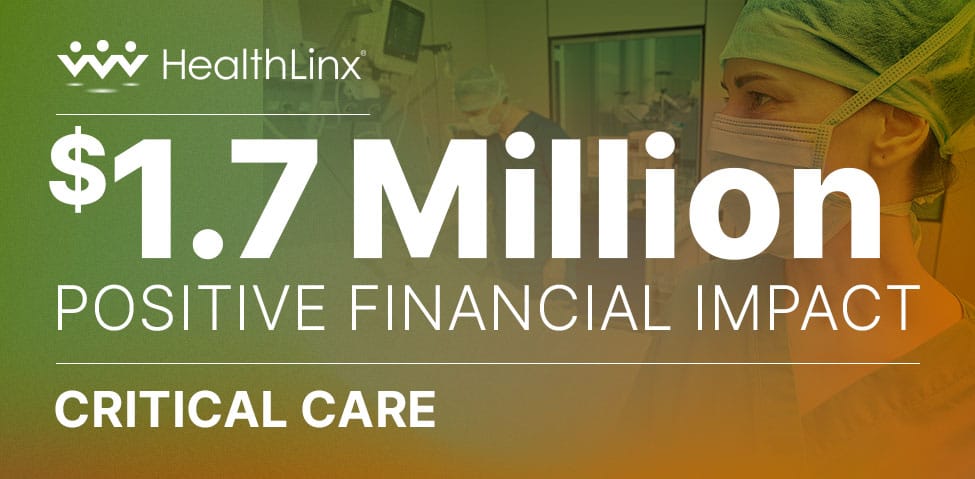

In today’s rapidly evolving healthcare landscape, performance improvement is imperative, and Transitional Leadership offers a framework for navigating this disruptive environment. Transitional Leaders drive innovative, disruptive, change that significantly enhances patient outcomes and operational efficiency.
The need for Transitional Leaders and Leadership has never been more crucial. Interim Transitional Leaders serve as vital catalysts for positive change and bring targeted expertise to organizations in need of immediate guidance. These leaders, with a wealth of experience, can swiftly implement performance enhancements by identifying and addressing inefficiencies, fostering a culture of accountability, and inspiring teams toward a shared vision. Additionally, their focus on financial stewardship can lead to improved budgeting practices and revenue optimization strategies.
While strategies and action plans to improve outcomes are core topics of numerous healthcare discussions, many organizations continue to grapple with advancing critical outcomes.
Resistance/Reluctance to Change
Healthcare Leaders often exhibit hesitancy toward adopting Transitional Leadership and related disruptive strategies primarily due to the fear of resistance among staff to change and the uncertainty that such changes may bring. This reluctance can impede opportunities for performance improvement and limit the potential for enhanced patient outcomes. Rather than complacency toward the status quo, the proactive Transitional Leader management style engages and empowers staff to embrace new challenges in support of change.
“Disruptive” Change
Amidst interactions with Healthcare Leaders where they express a desire for necessary change, there exists an inability to take the leap and embrace short-term instability. While the concept of introducing disruption to traditional management practices and stability may instill pause, the reality is that these leaders bring fresh perspectives, allowing organizations to break free from outdated practices and embrace modern, evidence-based approaches. As the sector faces mounting pressures to enhance quality and reduce costs, it is imperative that healthcare leaders overcome their reservations and champion the necessary disruption for sustainable improvement.
Ineffective Leadership
While existing leaders and teams may be committed to change and performance improvement, the stark reality is the existing lack of knowledge, skills, and ability of some nurse leaders to mobilize teams toward organizational improvement goals. Pivotal to performance improvement outcomes are well experienced, knowledgeable, change management nursing leaders with the ability to skillfully enhance the work environment, navigate obstacles, and foster high-performing teams with improved outcomes.
A Proven Solution
HealthLinx is passionate about our work to transform healthcare facilities into great places to work that always deliver elite patient care.
We offer a proven Transitional Leadership solution firmly rooted in Performance Improvement and hyper-focused on achieving short-term SMART (Specific-Measurable-Attainable-Relevant-Timed) Deliverables that serve to hardwire sustainable change. We utilize expert onsite Transitional Leaders led by a HealthLinx Nurse Executive to strategically execute a plan to actively navigate change toward positive improvements and financial performance.
We believe strongly in our focused and proven process and have seen remarkable success in our Transitional Leadership Projects.
Call to Action: Embrace Disruptive Change
Transitional Leadership in healthcare is emerging as a key driver of disruptive change. As organizations continue to face growing unprecedented challenges, Transitional Leadership is a crucial strategy to skillfully navigate disruptive change. Prioritizing Transitional Leadership, promoting a mindset open to disruption, and embracing this leadership approach fosters agility and resilience among teams and positions healthcare organizations to thrive in an unpredictable future.