
Prolonged vacancies in nursing leadership can put organizations at significant risk as they navigate workforce shortages, increasing regulatory demands, and evolving patient care expectations.

by Editorial Staff | Oct 13, 2026 | Expert Editorials, Interim Leadership, Leadership Excellence, Organizational Excellence, Transitional
Prolonged vacancies in nursing leadership can put organizations at significant risk as they navigate workforce shortages, increasing regulatory demands, and evolving patient care expectations.

by Editorial Staff | Oct 6, 2026 | Expert Editorials, Interim Leadership, Leadership Excellence, Organizational Excellence, Transformational
HealthLinx focuses exclusively on nursing leadership solutions. We understand the challenges healthcare organizations face, and the qualities required to lead through them.
by Cheryl Bailey, MBA, BSN, RN | Sep 28, 2026 | Case Studies, Leadership Excellence, Resources, Service Line Excellence, Transitional
A Chief Nursing Officer (CNO) Transitional Leader in a mid-size specialty hospital in the Northeast working to improve culture, accountability, and operational efficiencies.

by Rebecca Allard | Sep 17, 2026 | Expert Editorials, Leadership Excellence, Organizational Excellence
Every hospital leader knows what happens as summer transitions into fall. Patient volumes begin to climb. Respiratory illness season approaches. Emergency departments become increasingly busy. Inpatient capacity tightens. Meanwhile, PTO requests increase around the...
by Editorial Staff | Sep 15, 2026 | Interim Leadership, Interim Leadership, Leadership Excellence, Nurse Leader Careers
HealthLinx can quickly connect your hospital with experienced interim nurse leaders who bring the expertise, confidence, and leadership needed to guide your organization forward

by Jeanne Schuppe, MSN, RN, CEN, AIM | Sep 11, 2026 | Leadership Excellence, Nurse Leader Careers, Service Line Excellence
When the Leadership Gap Costs More Than the Interim “Interim leadership is really just a bandaid.” A CNO said that to me recently, and I understood the concern. If an interim leader simply occupies an office until the permanent leader arrives, she is right. That is...
by Editorial Staff | Aug 19, 2026 | Leadership Excellence, Nurse Leader FAQ, Transitional
This engagement demonstrates that operational obstacles often have a direct impact on patient outcomes, staff effectiveness, and financial performance. By systematically identifying and removing barriers within patient flow, communication, and accountability structures, the organization improved access to care, reduced patient leakage, enhanced patient experience, and generated substantial financial value. The key lesson for healthcare leaders is that meaningful performance improvement occurs when organizations look beyond individual metrics and address the operational systems that drive them.
by Michelle Trautman | Jul 29, 2026 | Case Studies, Leadership Excellence, Magnet, Nursing Excellence, Resources, Service Line Excellence
Client achieves Initial Magnet Designation and earns 5 Exemplars utilizing two interim leaders to help with their Magnet Document and Emergency Department.
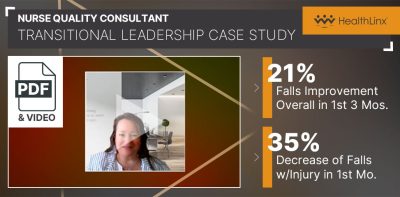
by Jeanne Schuppe, MSN, RN, CEN, AIM | Jul 15, 2026 | Case Studies, Leadership Excellence, Resources, Service Line Excellence, Transitional
A Transitional Leader acting as a Nurse Quality Consultant in a large hospital working specifically to improve an organization-wide Falls problem.
by Editorial Staff | Jul 15, 2026 | Leadership Excellence, Nurse Leader FAQ, Organizational Excellence
How hands-on leadership, workflow optimization, and strategic planning positions a hospital for future success, while uncovering key lessons every healthcare leader can apply within their own organization.

by Editorial Staff | Jul 6, 2026 | Leadership Excellence, Nurse Leader FAQ, Nursing Excellence, Performance Excellence, Resources, Transitional
Many healthcare leaders recognize the warning signs: low participation, fragmented teams, inconsistent morale, and growing disconnects between shifts. The question becomes not whether there is a culture problem, but how do we as leaders respond to it.
by Jeanne Schuppe, MSN, RN, CEN, AIM | Jun 26, 2026 | Case Studies, Leadership Excellence, Resources, Service Line Excellence
An Interim leader was placed in the Senior Nurse Manager position in a Cardiac Telemetry and helped to stabilize and improve culture.
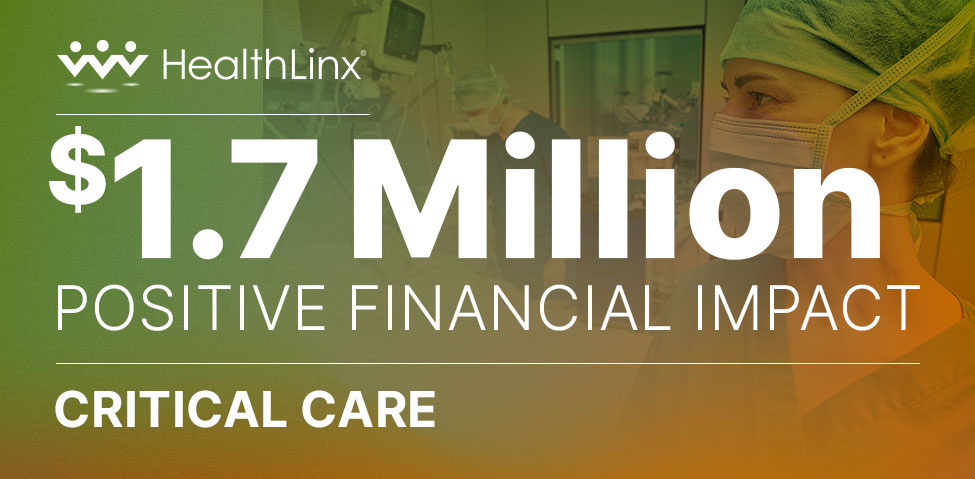
What kind of improvements are you looking for?
Caitlin Shetterley is a Leadership Consultant with HealthLinx, specializing in permanent healthcare leadership recruitment. She partners with hospitals and healthcare organizations nationwide to connect exceptional leaders with opportunities where they can make a lasting impact.
Caitlin brings a diverse background in recruitment, human resources, employee relations, and stakeholder engagement. She began her career in recruiting, where she developed expertise in sourcing, interviewing, talent assessment, and candidate relationship management. She later transitioned into Human Resources with HCA Northside Hospital in St. Petersburg, Florida, where she supported a large, unionized workforce and collaborated closely with nursing executives, directors, and hiring leaders to strengthen recruitment, retention, and employee engagement efforts. Her experience included onboarding, compliance, employee relations, workforce planning, and policy implementation, contributing to initiatives that helped reduce RN turnover by 25%.
Prior to joining HealthLinx, Caitlin served as an HR and Benefits professional for one of Florida’s largest school districts, supporting approximately 12,000 employees. In this role, she managed benefits administration, employee communications, wellness initiatives, and large-scale enrollment projects while providing high-touch support across a diverse workforce. Her ability to navigate complex situations, communicate effectively, and build trusted relationships has been a hallmark of her career.
Caitlin holds a Bachelor of Arts in Communications with a minor in Graphic Design. A former dual-sport collegiate athlete and National Collegiate Team Handball Champion, she brings the same drive, discipline, and determination that fueled her athletic success to her work with clients and candidates. Known for her strong work ethic, professionalism, and ability to build lasting relationships, Caitlin is passionate about helping healthcare organizations find exceptional leaders and helping leaders discover meaningful career opportunities.
Based in St. Petersburg, Florida, Caitlin works remotely and supports healthcare organizations across the country. Her clients and candidates know her as someone they can trust, depend on, and count on to get the job done.
Andrew brings over a decade of experience in business development, sales leadership, and team training, with a proven track record of driving revenue growth and building high-performing teams. Andrew’s leadership style, combined with his hands-on experience in both sales execution and training, make him a strong addition to our team as we continue to scale and strengthen our business development efforts.
James McLamb is a data-focused professional specializing in integrity, validation, and analytics pipelines across complex, multi-source environments. As a Data Integrity Specialist, he brings a strong track record of building and maintaining production-ready datasets, automated ETL pipelines, and relational database systems. His background spans analytics engineering, stakeholder collaboration, and operational data management — including validated data workflows that power real-time platforms and support business critical decision making. James maintains a process-driven commitment to ensuring data remains accurate, consistent, and trustworthy at every stage of its lifecycle. That commitment is what drew him to healthcare consulting: a conviction that well-crafted data solutions can directly improve people’s lives, and a desire to put his skills to work in service of that mission.
Sharina A. Sigur, DNP, RN, NEA-BC, NPD-BC has 19 years of healthcare experience in Inpatient Acute Care, Magnet Recognition Program, executive leadership, and executive consulting. Dr. Sigur is dual board certified through the American Nurses Credentialing Center (ANCC) as a Nurse Executive, Advanced and Nursing Professional Development Specialist. She holds a BSN from Dillard University New Orleans, a MSN-Healthcare Systems Management, and a Doctor of Nursing Practice-Executive Leadership from Loyola University New Orleans.
.
Career Summary
Dr. Sigur has a strong foundation in aligning clinical practice with the ANCC Magnet Recognition Program, with focused experience in promoting evidence-based practice, shared governance, nurse engagement, and quality outcomes. Her leadership approach emphasizes building high-performing teams, fostering a culture of continuous improvement, and supporting organizations in achieving nursing excellence.
.
Experience
– 2026-Present: Vice President of Nursing Excellence, Project Manager, HealthLinx, Columbus, OH
– 2024-2025: Assistant Director & Nurse Executive Consultant, Tipton Health Communications, Newark, DE
– 2019-2024: Senior Magnet Program Analyst, American Nurses Association, Silver Spring, MD
– 2017-2021: Adjunct Lead DNP Academic Quality Reviewer: Grand Canyon University, Phoenix, AZ
– 2016-2019: Director of Magnet Program and Nursing Operations, Methodist Dallas Medical Center, Dallas, TX
– 2012-2016: Nursing Professional Development Specialist, Methodist Dallas Medical Center, Dallas, TX
– 2007-2012: RN Case Manager/Assistant Nurse Manager/Adult Hem-Onc Charge Nurse & Clinical Nurse, Methodist Dallas Medical Center, Dallas, TX
.
Education
– 2016: Doctor of Nursing Practice, Executive Leadership, Loyola University New Orleans
– 2010: Master of Science in Nursing, Healthcare Systems Management, Loyola University New Orleans
– 2007: Bachelor of Science in Nursing, Dillard University, New Orleans
.
Professional Affiliations/Honors
– Sigma Theta Tau, Member
– American Nurses Association, Member
– National Black Nurses Association, Member
– Association of Nursing Professional Development, Member
– Dillard University College of Nursing, “2022 Greats”
– Dillard University, 40 Under 40 Alumni Honoree (2017)
– 2016 Dallas-Fort Worth Great 100 Nurse
– 2016 D Magazine, Excellence in Nursing Education Honoree
.
Publications/Research
– Journal of Nursing Administration (2023): Addressing Nurses’ Well-Being in the 2023 Magnet Application Manual, Co-Author
– ANCC (2023): 2023 Magnet® Application Manual, Contributor
– SAGE Open Nursing Journal (2018): A Cross-Sectional Study of Perceived Stress, Mindfulness, Emotional Self-Regulation, & Self-Care Habits in RNs at a Tertiary Care Medical Center, Co-Author
– Mindfulness in Medicine: Stress Resiliency Baseline Study of Healthcare Providers: Principal Investigator
– Small Troubles-Adaptive Responses Study, Lead Research Coordinator
– The Effects of Evidence-Based Interventions on HAPIs, Principal Investigator
.
MSN, RN, NPD-BC
Denise is the Vice President of Nursing Excellence – Project Management at HealthLinx. She has over 27 years of healthcare experience in Critical Care, Ambulatory Surgery, Home Health, Clinical Education, and Academic Education. Denise is board certified in Nursing Professional Development through the American Nurses Credentialing Center. She holds a Master of Science in Nursing from Walden University and Bachelor of Science in Nursing from the University of Maryland. Denise is trained in Lean Six Sigma. She serves as an evaluator for the Commission on Collegiate Nursing Education (CCNE) – nurse residency program accreditation.
.
Denise’s Outcomes
– Coordinated ANCC Magnet Recognition program and achieved initial designation in 2020 and redesignation in 2025. The 2025 document submission and successful site visit yielded eight exemplars. Responsible for DDCT submissions and data management.
– Facilitated periodic RN engagement surveys, with improved nurse participation rates and outperformance of national benchmarks. Mentored shared governance council leaders.
– Served as NDNQI Site Coordinator, while quality outcomes outperformed national benchmarks for Falls, HAPI, CLABSI, Device related HAPI, Door to Balloon, and Perioperative Indicators.
– Co-led a national Magnet Network; a collaborative of Magnet Program Directors and nursing leaders, which grew from a regional to national network with over 90 hospitals in the US and Canada during her two-year tenure.
– Served as Nurse Residency Program Coordinator; acquired annual state grants, implemented the Vizient program, and participated in the Maryland Nurse Residency Collaborative.
– Developed staffing commands and served as a command center coordinator during critical organization-wide periods.
.
Career Summary
Denise is a results-oriented nursing leader, with a record of advancing professional nursing practice as a Magnet Program Director and achieving ANCC Magnet initial and redesignation. Prior to her career in Nursing, Denise led corporate training in the credit card industry. As a nursing professional, she applied her education experience to the clinical setting and served as adjunct faculty for 13 years, supporting the academic and professional growth of nurses. Denise is a proven leader, known for her calm demeanor, methodical and organized approaches, project management, and commitment to staff engagement.
.
Scholarship:
– Evaluator, 2021: Commission on Collegiate Nursing Education
– Poster Presenter, 2020: Maryland Action Coalition Summit
– Co-Author, 2018: Bridging the Gap: from Bedside Practice to Clinical Teaching.
– Fellow, 2017: University of Maryland Nurse Leadership Institute, a year-long leadership development program
– Podium Presenter, 2016: Maryland Nurses Association Education Summit
– Recipient, 2014: Citizen’s Life Saving Award, Frederick County Division of Fire and Rescue Services
– Inductee, 2003; Sigma Theta Tau and Golden Key
Curlissa Mapp DNP, APRN, ACNS-BC, NE-BC is a Vice President Nursing Excellence, Analytics with Healthlinx. She has over 30 years of professional nursing experience and has served in various positions in healthcare roles including Magnet Program Director for Ambulatory Care and System Director of Professional Nursing Practice. She is a board-certified Nurse Executive and Clinical Nurse Specialist with a Specialty in Adult Health and Oncology. Curlissa has proven ability to work with various organizational clinical and administrative leaders and clinical nurses to create a structure that fosters a positive practice environment. She is passionate about utilizing shared governance as a foundation for nursing excellence to improve nurse satisfaction, enhance the patient/family experience, and support positive clinical outcomes.
.
.
Mandy Haberman MSN, RN, ACNS-BC is a Vice President Nursing Excellence, Project Management with HealthLinx. She has over 18 years of professional nursing experience having served in a variety of roles and organizations including in direct patient care, patient education, professional development and as Magnet Program Director and Director of Professional Practice. Mandy oversaw multiple successful Magnet designations and implemented innovative initiatives to advance professional governance, strategic planning, academic partnerships, evidence-based practice and research. She is board-certified as a Clinical Nurse Specialist (ACNS-BC).
.
.
Melanie Beaty, MSN, RN, NE-BC is a Vice President Nursing Excellence, Project Management with HealthLinx. She has over 14 years of professional nursing experience including direct care, leadership, project management, quality improvement, regulatory accreditation, and shared governance. Additionally, Melanie has over 9 years of experience leading organizations to successful Magnet® designations and re-designations. She has extensive experience developing programs and leading strategic initiatives to advance nursing practice and improve work environment, professional development, nurse satisfaction, patient-family experience, quality outcomes, and patient safety. She is board certified as a Nurse Executive through the American Nurses Credentialing Center.
.
.
Joe Gordon MS, RN, NE-BC is a Vice President Nursing Excellence, Project Management with HealthLinx. He has over 20 years of professional nursing experience including direct care, shared governance, strategic planning, Magnet Program Director and Director of Patient Experience. He is board certified as a Nurse Executive through the American Nurses Credentialing Center.
.
MHA, BSN, RN, NE-BC
Vice President, Nursing Analyst, Performance Improvement and Framework
Kelly McMinoway is an accomplished executive nursing leader with over 15 years of progressive experience in healthcare administration. With a strong background in nursing leadership, strategic planning, quality improvement, and employee engagement, Kelly is dedicated to driving operational excellence and patient-centered care initiatives. She is currently serving as Vice President, Nursing Analyst, Performance Improvement and Framework at HealthLinx, where she is focused on leading efforts to optimize healthcare delivery systems, improve nursing performance, and develop frameworks that enhance quality outcomes.
Kelly’s Outcomes
• Successfully led the implementation of two ANCC Pathway to Excellence accreditations at Baptist Health Floyd, a key achievement in nursing excellence and cultural transformation.
• Spearheaded strategies to reduce nursing turnover from 21% to 11% and first-year turnover from 47% to 23%, significantly improving retention and engagement within the nursing team.
• Managed the operations of over 52 nursing departments, impacting patient safety, quality assurance, and financial performance across a workforce of more than 1000 employees.
• Directed multi-disciplinary teams across ten major service lines, including General Surgery, Cardiovascular Care, Neurology, and Women and Children’s Health.
• Played a pivotal role in executive decision-making as a member of the executive leadership team, contributing to the development of strategic and organizational planning.
Career Summary
Kelly has a comprehensive background in nursing management, with extensive experience in overseeing large teams and complex healthcare systems. Her career has been marked by her ability to implement effective governance structures, streamline operations, and drive quality improvements across diverse service lines. Known for her innovative approach and focus on strategic outcomes, Kelly is passionate about developing high-performance cultures and fostering collaborative environments in healthcare settings.
Experience
• 2025–Present: Vice President, Nursing Analyst, Performance Improvement and Framework, HealthLinx
• 2024–2025: Independent Consultant, HealthLinx
Reviewed, revised, and edited client Organizational Overview (OO) and Element of Performance (EOP) documents for ANCC Pathway to Excellence designation application.
• 2016–2025: Chief Nursing Officer/Vice President of Nursing, Baptist Health Floyd
• 2009–2016: Director of Cardiovascular Services, Floyd Memorial Hospital and Health Services
• 2008–2009: Manager of Cardiovascular Services, Floyd Memorial Hospital and Health Services
Education
• Expected 2026: Doctorate of Strategic Leadership, Liberty University
• 2024: Executive Certificate in Strategic Leadership, Liberty University
• 2007: Master of Healthcare Administration, University of Phoenix
• 1998: Bachelor of Science in Nursing, Indiana University Southeast
Awards and Honors
• 2025: Alumni Award of Excellence, School of Nursing, Indiana University Southeast
Licensure & Certifications
• Indiana State Board of Nursing: Registered Nurse (RN)
• Nurse Executive-Board Certified (NE-BC)
National Presentations
• 2019: Mentorship: The Recipe for Achieving System-Wide Pathway to Excellence Designation
American Nurses Association Quality and Innovation Conference / American Nurses Credentialing Center Pathway to Excellence Conference
Laurie Schulenberg, MPA/HCA, BSN, RN, NEA-BC
HealthLinx Senior Vice President of Nursing Excellence
Laurie is the Senior Vice President of Nursing Excellence at Healthlinx. She holds a Bachelors of Science in Nursing and Masters in Public Administration and Healthcare Administration. Laurie is a nationally certified nurse executive and has served in a variety of leadership roles including: Vice President of Patient Care Services, Chief Nursing Officer, Director of Professional Excellence and Magnet Program Director. Laurie is best known for her extensive knowledge in nursing leadership, staff development, Magnet status and shared decision making. She served for two years as the HR nursing liaison at CHRISTUS Trinity Mother Frances in Tyler, TX and gained an in-depth knowledge of HR practices and a reputation for creative recruitment and retention strategies.
Laurie co-authored “Cross-Continuum Care Continuity: Achieving Seamless Care and Managing Comorbidities” and has presented locally and nationally on a variety of topics related to nursing professional development, Magnet status and nurse satisfaction. She draws on experiences from a career of over 35 years, as well as her own history to impart not only valuable content to her clients, but to inspire them to find their “why” in healthcare leadership. She is a member of the American Nurses Association and American Organization of Nurse Leaders (AONL)
Kristin earned her Bachelor’s Degree in Nursing from St. John Fisher College in Rochester, New York. She continued her education and earned a Master’s Degree in Health Administration from Roberts Wesleyan College, where she was recognized with the Distinguished Leadership Award.
Ms. Opett is an innovative and accomplished senior nursing executive with a proven track record of successfully leading efforts to improve the health, outcomes, and experience of patients in rapidly changing healthcare environments. She is recognized for driving sustainable results through the use of progressive and collaborative, evidence-based practices that engage and empower every health care team member to achieve excellence together. Her specialized leadership skills include patient safety, quality, Magnet, Beacon, care delivery innovation, education, and culture.
Ms. Opett has 25 years of nursing experience with nearly 20 of those years serving in various leadership roles. She has clinical/bedside experience in medicine, oncology and women’s health, serving as a nurse leader in an outpatient oncology setting and as a nurse manager for inpatient and ambulatory women’s health. Ms. Opett also served as the co-leader for the Rochester General Medical Group Quality Committee, focusing on the improvement of patient outcomes and the implementation of quality improvement initiatives.
In 2009, Ms. Opett was named Vice President and co-leader of the Rochester General Health System Patient Safety Institute and then in 2014 the Vice President of Quality, Safety, and Regulatory Compliance for Rochester Regional Health. In her role, she was responsible for the planning, implementation, and evaluation of quality and patient safety initiatives throughout the health system. Her work in patient safety was recognized in a publication in the Joint Commission’s Journal on Quality and Safety.
In 2015, she assumed the role of Vice President and Chief Nursing Officer of United Memorial Medical Center in Batavia, New York.
In June of 2017 was named Vice President and Chief Nursing Officer of Rochester General Hospital, a 528-bed tertiary and quaternary facility. As Chief Nursing Officer, Ms. Opett led the organization to receive it’s fourth consecutive Magnet Re-designation with five exemplars, including one for nursing leadership. Additionally, during her tenure, Rochester General Hospital received 20 Beacon Awards for Excellence, more than any other hospital worldwide. She places emphasis on professional development and led the creation of a system wide National Nursing Certification Program resulting in over 50% of all nurses with one or more certifications.
In 2022, Ms. Opett joined the team at HealthLinx, an organization focused on leading healthcare facilities to achieve and sustain outcome focused elite performance, as Vice President of Accounts and Organizational Strategy. In this role she partners with leaders worldwide to identify and implement continuous improvement and leadership solutions.
Ms. Opett is proudly devoted to the community. In 2013, she served as Chair for the Rochester/Finger Lakes March for Babies. She was recognized in 2015 as a Woman to Watch by the Democrat and Chronicle. Ms. Opett currently serves on the Board of Directors for 13thirty, a community organization dedicated to adolescents and young adults diagnosed with cancer.
Ms. Opett lives in Penfield, New York with her husband Andrew and their son Drew.
Cheryl Bailey, MBA, BSN, RN is a Vice President of Accounts and Organizational Strategy with HealthLinx. Cheryl’s goal is to provide positive change for hospital leaders in quality, culture, patient satisfaction, process and financial performance. Cheryl’s strong record of delivering results and building relationships helps to ensure outcomes are met. In her 35-year nursing career she has experienced a variety of cultures and situations in which she has been successful in creating positive change.
Strengths
Cheryl’s strengths include building successful teams through exceptionally strong communication and interpersonal skills. Her ability to see the big picture has lead to success in all areas.
Background
Prior to joining HealthLinx, Cheryl served in various roles in a number of facilities ranging from Critical Access Hospitals to large medical centers. Job duties included Patient Care Tech, Staff RN, Charge Nurse, Director, Executive Director, Chief Nursing Officer, Senior Vice President and Interim Chief Executive Officer. Cheryl traveled for the past seven years assisting hospitals as Interim CNO, Onsite Administrator and Performance Improvement Director.
Education
BSN, Auburn University
MBA, University of North Alabama
Amy Shelton, MSN, RN, NEA-BC is a Vice President of Accounts and Operational Strategy at Healthlinx. She received her MSN from the University of South Alabama in Mobile.
Amy is a seasoned healthcare professional with over 30 years of experience in nursing and hospital operations. She has demonstrated her leadership prowess in various healthcare settings, including acute care community hospitals, ambulatory surgery centers, and rural and critical access hospitals. Amy’s commitment to her profession is evident through her active membership in the American Nurses Association, Alabama Nurses Association, and her board certification as a Nurse Executive- Advanced, with the ANCC. Her achievements span across nursing excellence, healthcare quality improvement, serviceline development and improvement, nurse recruitment and retention programs, ED and hospital throughput improvement projects, and alternative staffing models, showcasing her ability to drive positive change in the industry.
Selected Accomplishments
• Achieved CMS 5 Star hospital rating
• Achieved Leapfrog grade “A”
• Patient experience outcomes in the 90th percentile
• Expansion of cardiology service line with physician recruitment, project management for new cardiac cath labs, cardiac imaging, and post-procedure recovery unit.
• Transition of PPS to CAH
• Implementation of swing beds and 340B Federal Drug Pricing Program
• 34% reduction in primary C-section rates
• Operationalized a nine-bed OBED and OB Laborist program
• Operationalized critical care intensivist program, decreasing ICU LOS by 1.9 days
• Implemented Inpatient/ED throughput process resulting in a decrease in ED boarding time
Gina Shelley, DNP, MS, RN, CENP, NPD-BC, is a Vice President Nursing Excellence, Project Management with Healthlinx. Gina has 16 years of professional nursing experience including direct care, project management, professional development, specialty department management, and nursing practice. Gina served as the Magnet Program Director and system Magnet leader. Gina holds two certifications: executive nursing practice (CENP) through the American Organization of Nurse Leaders (AONL) and nursing professional development (NPD-BC) through the American Nurses Credentialing Center (ANCC).
Gina’s Outcomes:
Career Summary:
A nurse leader with extensive experience in practice and quality improvement, project management, and shared governance. Gina is doctoral-prepared and is a respected facilitator, leader and mentor.
Professional Experience:
Education:
Professional Memberships:
Jeanne brings over 30 years of clinical and leadership expertise in healthcare with experience in small rural facilities as well as suburban and urban trauma centers. She has a passion for capacity management and strategies to improve patient access to care and decrease frustrations of caregivers that can lead to burnout. She recognizes that caregivers who are more fulfilled at work improve the quality, safety, and experience of care for patients.
Jeanne has experience in optimizing patient flow and throughput in individual departments, individual hospitals, as well as across a healthcare system. She has led teams to change culture by creating system standard work for patient flow and a sense of urgency in getting patients to the right care at the right time. She served as Operational Leader to create a Healthcare System Command Center, while partnering with Clinical Informatics to develop Command Center Dashboards to improve visibility and transparency across the health system. She has been recognized by community and Healthcare Coalition leaders as being highly collaborative in sharing expertise regarding capacity management strategies, meaningful data, and in helping improve coordination among urban, rural, and critical access hospitals. Moreover, Jeanne has promoted an environment the focus and decisions are based on patients and improving access to care.
Jeanne has a successful track record of supporting healthcare executives to complete action planning related to regulatory deficiencies that align with CMS standards while promoting cultural stability to ensure changes are sustained and leaders are coached to monitor ongoing compliance.
Prior to HealthLinx, she started Jeanne Schuppe LLC, as an interim nurse administrator, Jeanne reduced ED hold times by 92% by implementing demand capacity matching throughout the hospital. Jeanne accomplished this by building a team of hospital supervisors, charge nurses, therapy leaders, and environmental services members who were focused on timely discharges, pulling admissions out of the ED when beds were ready, and optimizing resources for environmental services. Additionally, Jeanne successfully piloted and opened a discharge lounge and Inpatient Hallway Bed Program to improve ED efficiency and decrease walkout rates. Jeanne has a variety of experience leading other teams in both inpatient and outpatient areas.
Amy Veit, MSN, RN, CPHQ is a Vice President Nursing Excellence, Project Management with HealthLinx. Amy has 27 years of professional nursing experience including direct care, project management, healthcare quality, and leadership. Amy most recently served as a Magnet Program Director and Performance Improvement Advisor. She has been involved in the Magnet Designation process for seven years, both as a writer as well as leading two successful Magnet redesignations. Amy is a Certified Professional in Healthcare Quality and a member of the National Association for Healthcare Quality.
Amy’s Outcomes
Other Outstanding Outcomes
Career Summary
A master’s-prepared and professionally certified nurse leader with project management, performance improvement, shared decision making and nursing quality expertise. Amy has extensive experience working with nursing and interprofessional teams to achieve Magnet and drive other quality outcomes.
Professional Experience
Education
Professional Affiliations
Jason serves as a Vice President, Analyst Outcome at HealthLinx. In this role he partners with the executive teams of hospitals to achieve excellence in clinical and process outcomes. Jason provides partnered consultation, best practice strategies, and customized solutions to help hospitals improve outcomes and the quality of patient care by optimizing their leadership and programs. Jason has the unique opportunity to bring his experience in both analytics and case management in the private sector, and direct patient care in the emergency department and ICU at multiple hospitals to help his clients improve patient care. He excels in leading positive change in healthcare organizations.
Jason brings more than 10 years of experience both in healthcare and nonhealthcare settings. He has deep understanding of Employee Engagement, Service Excellence with a keen understanding of HCAHPS, Process Improvement, Hospital Throughput, Large-scale Project Management, and Positive Change Management. He is an expert in cultivating productive relationships with both decision makers and executive leaders and has a stellar reputation for delivering innovative, sound strategies along with proven tactics for achieving positive results. With excellent business sense and a strong understanding of healthcare, Jason is prepared to deliver positive outcomes.
Education, Training & Certifications
Kathleen Ebert, MS, BSN, RN-BC, NEA-BC is a Vice President Nursing Excellence, Analytic Framework with HealthLinx. She has more than 24 years of professional nursing experience that includes direct care, emergency/trauma care, inpatient acute care, education, professional development, patient experience and director-level positions. Kathleen has served as a Nursing Manager, Clinical Educator, Manager of Nursing Practice, Research and Innovation, System Director of Customer Experience and Magnet Program Director. She has provided oversight for Magnet® at two different organizations. She is board certified in Professional Development and Advanced Nurse Executive through the American Nurses Credentialing Center.
Kathleen’s Outcomes
• Oversight to system nursing data- submission and dissemination
• Development and implementation of nursing education and orientation
• Lead system fall campaign that drove falls reduction
• System Site Coordinator NDNQI
• Led Emergency Department to exemplary changes that results in case study feature for Experience vendor
• National Quality Conference presenter
• Successful Primary Investigator on RCT that drove system change of practice
• Professional nursing presentations, national publications, and research activities
• Developed strategic partnerships with Healthcare Executives to drive performance outcomes
Career Summary
Kathleen is an experienced nurse leader who has led major nursing initiatives and projects. She is a Master’s-prepared nurse executive who is respected by nursing colleagues and has excellent communication and project management skills. Kathleen has extensive knowledge and experience as a Magnet® Program Director and in clinical/business operations including performance improvement, patient experience, revenue/productivity improvement, cost reduction, executive leadership, throughput/patient flow, and human resources. She is a proven leader with cultivating staff engagement/development, and leading change.
Professional Experience
• Currently Vice President Nursing Excellence, Analyst Framework, HealthLinx, Columbus, Ohio
• Director of Patient Experience, OhioHealth, Columbus, Ohio
• Magnet Program Director. OhioHealth, Columbus, Ohio
• Coordinator of Professional Practice, Clinical Educator, Nurse Administrator
•Emergency/Trauma Care- Detroit Medical Center/Botsford/Beaumont
Education
• Master of Science in Administration, Mount Carmel College of Nursing
• Bachelor of Science in Nursing, Walsh University
Publications/Research
• Research- Co Principal Investigator- Cooling Effects Post Lumbar Fusion
• Research-team member “The Impact of Nursing Work and Engagement on Patient Falls”- JONA November 2019 V 49 N 11 pp 531-537
Melinda Gevaart, MSN, RN, NE-BC is a Vice President Nursing Excellence, Project Management with Healthlinx. She has 35 years of healthcare experience including the specialty areas of cardiovascular services, education, project management, nursing quality, and leadership. Melinda most recently served as the Magnet Program Director and System Manager for Nursing Quality. She has extensive experience with shared governance and authoring annual nursing reports. Melinda is board certified through the American Nurses Credentialing Center as a Nurse Executive. She is a member of the American Nurses Association, American Organization of Nurse Executives, and Sigma Theta Tau International.
Melinda’s Outcomes
Other Outstanding Outcomes
Career Summary
A master’s-prepared and board-certified nurse leader with project management, project implementation, shared leadership and nursing quality expertise. Melinda has extensive experience working with nursing and interprofessional teams to obtain Magnet®, quality and positive financial outcomes. She is a role model for accountability, caring, professionalism, empathy, life-long learning, and nursing excellence.
Professional Experience
Education
Professional Memberships
Publications
Silkworth, A. L., Baker, J., Ferrara, J., Wagner, M., Gevaart, M., & Morin, K. (2016). Nursing Staff Develop a Video to Prevent Falls. Journal of Nursing Care Quality, 31(1), 40-45. doi:10.1097/ncq.0000000000000135
Melissa Adams is the Senior Vice President of Enterprise Logistics at HealthLinx. In the wide-ranging scope of this role she oversees all leadership-related functions, project coordination, Human Resources, and Administrative support. Melissa is dedicated to the mission and vision of HealthLinx, knowing that by creating better outcomes through high-performing leadership and culture, we can help improve healthcare delivery in facilities across the nation. Her detail-oriented, proactive approach helps to drive the organization to success. Melissa joined HealthLinx in 2005 and worked in roles of increasing responsibility within the organization, including Operations Consultant, Operations Manager, Director of Operations, and AVP. Her experience in project management, data analysis, and creating and standardizing processes serves her teams and the organization as a whole.
Along with a degree in Multi-Skilled Health Technology, Melissa earned a Massage Therapy Certification from Lakeland Community College to further her understanding of healthcare.
Rebecca Allard serves as a Vice President of Leadership Excellence at HealthLinx. In this role, her primary responsibility is to fully assess and diagnose a client’s leadership challenges and outcomes risks, then customize the most strategic, efficient, and effective plan for acquiring a permanent leader. She has over 18 years of executive-level leadership, executive-level recruitment, sales, client strategy, and complex project management experience, primarily in the field of healthcare. Rebecca joined HealthLinx in 2006 where she has served in a variety of roles of increasing responsibility, ranging from executive leadership consultant; to leading the specialized Leadership Acquisition Divisions in Oncology and Radiology; to performing on-site Diagnostic Assessments and managing challenging Leader Acquisition projects in all Hospital/Healthcare services; to her current role as the company’s most tenured Vice President of Leadership Excellence.
• The fastest turnaround times in the market;
• The greatest outcomes;
• The best long-term retention; and
• The highest positive financial impact on their investment.
Prior to coming to HealthLinx Rebecca started her career in operational leadership, where she progressed quickly to an executive level. Rebecca holds a bachelor’s degree from The Ohio State University and majored in Consumer Affairs / Business.
As a consultant across many service lines and specialties in Healthcare, Kelly is able to provide customized, permanent and transitional leadership solutions and Nursing Operational Excellence consulting for hospitals nationwide. Through daily communication with an extensive network of healthcare leaders, Magnet Program Directors and Chief Nursing Officers nationwide, Kelly is able to identify the top talent and cultural excellence changes needed to achieve the specific goals of your organization whether that be for Leadership Solutions or Magnet®/Pathway® designation.
• Nursing Excellence Assessment – a comprehensive organizational assessment to support the organization’s effort in achieving their mission of effective patient care with the right resources while preserving precious resources.
• Designation Consulting – Identifying potential consulting support solutions that utilize a Strategic Designation Process to provide hospitals with consulting services on the ANCC Magnet Recognition Program® and also Pathway to Excellence.
• Electronic Submission Solutions for the Magnet ® designation/re-designation document submission requirements, saving the organization time, money, resources, and effort.
• Transitional Leadership solutions that utilize an Outcomes Driven-Deliverables Process to fulfill immediate leadership needs. An experienced leader to set the stage for the long-term permanent leader solution.
• Executive Search solutions that utilizes a Best Conditions for Employment Process to provide an experienced permanent leader that can achieve the organization’s long-term goal.
As Senior Vice President of Leadership Excellence – Permanent Leadership Acquisition at HealthLinx, Cassie is responsible for ensuring effective processes are deployed to client hospitals related to managing and mitigating threats that could stand in the way of acquiring the right Permanent Leader within a defined timeframe. Further, Cassie’s purpose as a member of the HealthLinx Executive Leadership Team is essential in keeping HealthLinx at the top of industry performance in the sectors of hospital recruitment, retention, project management, and in improving sustainable long-term position outcomes.
Under Cassie’s leadership, the HealthLinx Permanent Leadership Acquisition team has transitioned to a completely new project management-based delivery model that reduced overall project days for permanent leadership acquisition from an average of 200+ days to less than 120 days, and she successfully led her team in achieving a 90% success rate for client retention.
Since joining HealthLinx in 2004, Cassie has been a leader on her team in progressive roles as Leadership Consultant, Associate Client Consultant, Sr. Client Consultant and Associate Vice President, and she was promoted to her current role in 2012. With Cassie’s progressive experience throughout HealthLinx and her sales-focused background prior to joining the company, she brings to the table more than 15 years of expertise in the critical areas of leadership, complex sales, executive healthcare recruitment, hospital project management, and healthcare leadership and C-Suite consulting.
Cassie earned her MBA with a concentration in leadership at Ohio Dominican University, and her Bachelor of Science in Business Management at The University of Findlay. She earned her Bachelor of Science in Business Management at The University of Findlay.
As a Senior Leadership Consultant, Hannah has more than 10 years of progressive experience working for some of the nation’s top healthcare recruitment and consulting firms. In her current role, she provides guidance, advocacy, and transition support to nursing leaders throughout the country while demonstrating an authentic approach to relationship building, leadership coaching, and project management.
Elliot Berry, Senior Leadership Consultant with HealthLinx, brings to this position over 25 years of recruitment and market analysis experience and hundreds of successful career matches for nurse leaders with healthcare systems. Since joining HealthLinx in 1999, Elliot’s primary focus has been to foster a connection between the desires of experienced healthcare leaders and the needs of our hospital clients for Permanent and Transitional Leadership solutions.
Originally focused on Women’s and Children’s Services leaders, Elliot brings a vast amount of knowledge and experience to the process of assisting leaders find the ideal job in their nursing leadership specialty. His mission is to ensure that leaders:
Contact Elliot today if you’re keeping your options open and ready to explore a new role in nursing leadership.
Darlene serves as a Vice President, Leadership Excellence at HealthLinx. In this consultative role she uses a collaborative approach to Healthcare Project Management, inspiring partnerships with healthcare executives and organizations across the nation. Her ability to cultivate effective operational relationships with key decision makers and professional leaders provides considerable value to the success of healthcare organizations and ultimately to the delivery of safe, quality patient care.
Background
Darlene brings over 25 years of nursing experience in direct patient care, clinical instruction, and administrative leadership. A rich clinical background in Critical Care and Surgical Services led Darlene to Nursing Leadership and Hospital Operations, and complements her current role to most effectively offer customized strategies and solutions to enhance organizational leadership and performance.
Strengths
With a passion for patient safety and ambition for quality outcomes, Darlene possesses the focus, drive, and expertise to identify leadership gaps, recommend best practice strategies, and advocate the execution of a plan to optimize healthcare leadership and programs/service lines.
Education
Kent State University MSN
Penn State University BSN
Brad Robinson is a Executive Vice President of Accounts & Organizational Strategy with Healthlinx. In this role, Brad strives to provide hospital leaders transformational improvements in culture, quality, patient satisfaction, process and financial performance. Brad’s main goal is to collaborate with hospital leaders to ensure improved quality and patient experience and create healthy cultures. HealthLinx’ proven processes along with Brad’s many years of clinical and operations experience provides the perfect solution to hospitals in need of change and improvement. Brad understands the unique challenges hospital leaders face today in balancing excellent clinical outcomes while managing tight margins in this new era of healthcare reform.
Strengths
Brad’s strengths include an unrelenting passion for clinical excellence, persistent operational successes, and an unforgiving dedication to patient safety and satisfaction. He achieves top decile outcomes performance by leading and engaging teams across all disciplines within organizations.
Background
Prior to joining HealthLinx, Brad served in clinical and leadership roles in a number of facilities ranging from medium sized community based non-profit hospitals to large urban academic medical centers, including:
Selected Accomplishments:
Education
Ashford University, Masters Business Administration, Healthcare Administration
Methodist College of Nursing, Bachelors of Science, Nursing
Chad brings almost 20 years of business analysis, management, leadership, and business development experience to the position of VP of Leadership Service Delivery with HealthLinx. In this role, Chad’s primary focus is to lead teams of experienced Senior Leadership Consultants and Leader Representatives to find the best leadership solutions in Healthcare. Seeking to find Transitional and Permanent solutions to our client’s leadership needs through utilization of our teams extensive network of relationships with Nurse Managers, Service Line Directors, and C-suite Executives. Chad began his career with HealthLinx as an Operations Consultant, then as a Senior Leadership Consultant, and grew into his current role where he provides leadership to multiple teams and associates.
Prior to joining HealthLinx, Chad spent three years as an academic advisor in higher education and, previous to that, nine years as Director of Operations for a real estate development company in Columbus, Ohio. Chad earned his MBA from Ohio Dominican University and Bachelor of Education degree from Bowling Green State University.
Ethan Kosmider, PhD utilizes his 12 years of writing and editing experience to ensure that Magnet documents are focused, organized and professional in their writing and appearance. Ethan has worked on several successful Magnet documents, helping writers clearly and accurately express nurses’ accomplishments.
Michelle Trautman, MSN, RN is a Vice President Nursing Excellence, Project Management with HealthLinx. Michelle has over 30 years of professional nursing experience including direct care, education, leadership and professional development. She has been involved in the Magnet® Designation process for over 15 years and has training as a Magnet® appraiser. She has been responsible for multiple Magnet® designations including leading a successful initial designation and co-authoring several successful redesignations for both individual hospitals and a system. Michelle is a member of the American Nurses Association, the Arizona Nurses Association and the American Organization of Nurse Leaders. She is a certificate holder in the Fundamentals of Magnet® through the American Nurses Credentialing Center.
Dr. Holli Roberts, DNP, RN is a Vice President Nursing Excellence Project Management with HelathLinx. She has more than 30 years of professional nursing experience that includes direct care, education, management and leadership positions. Dr. Roberts has been involved with the Magnet® designation process for over 9 years. She also served as a Pathway to Excellence® lead appraiser. Dr. Roberts is adjunct faculty at two universities. She has extensive experience in benchmarking, evaluating and interpreting healthcare quality data as compared to national, state and local databases including NDNQI, Press Ganey and National Healthcare Safety Network. She is a member of the American Nurses Association, Kentucky Nurses Association, National Association for Healthcare Quality, Kentucky Organization of Nursing Leaders and Sigma Theta Tau International Honor Society.
Holli’s Outcomes
Other Outstanding Outcomes
Career Summary
A nurse leader with extensive experience in project development, performance improvement, evidence-based practice, research, nursing education and management of nurse sensitive indicators. Holli is a doctoral-prepared nurse who is respected by her colleagues as a coach, mentor and facilitator with excellent project management skills.
Professional Experience
2017 Vice President Nursing Excellence Project Management, HealthLinx, Columbus, Ohio.
2008-2017 Nursing Magnet-Quality Coordinator, Baptist Health Louisville, Louisville, KY
2015-2017 Lead Appraiser, Pathway to Excellence®, American Nurses Credentialing Center
2014-2017 Adjunct BSN Instructor, Bellarmine University and Spalding University- Schools of Nursing, Louisville, KY
2004-2008 Nurse Manager, Baptist Hospital East, Louisville KY
1998-2004 Charge Nurse- Pain Management Clinic and Acute Pain Program, University of Louisville Healthcare, Louisville, KY
1993-1998 Trauma Surgery Team Leader, University of Louisville Healthcare, Louisville, KY
1987-1993 Staff Nurse (Critical Care/ Burn, Surgery, Perioperative units), University of Louisville Healthcare, Louisville, KY
1986-1987 Staff Nurse (Burn, Neonatal Intensive care units), Norton-Kosair-Children’s Hospital, Louisville, KY
Education
2017 Doctor of Nursing Practice in Nursing Leadership, Bellarmine University, Louisville, KY
2007 Master of Science in Nursing Administration, Bellarmine University, Louisville, KY
1986 Bachelors of Science in Nursing, University of Louisville, Louisville, KY
Honors
2016 Nurse Excellence Award, Baptist Health Louisville
2014 Kentucky Organization of Nursing Leaders Graduate Scholar
2007 Bellarmine Graduate Faculty Merit Award
2004 University Healthcare Nurse of the Quarter
Professional Affiliations
2014-present National Association for Healthcare Quality
2011-present American Nurses Association
2011-present Kentucky Nurses Association
2006-present Kentucky Organization of Nursing Leaders
2006-present Sigma Theta Tau International
2004-2010 Kentucky Board of Nursing Nurses Day Recognition Committee
Publications
A descriptive study of nursing peer review programs in U.S. Magnet hospitals, Journal of Nursing Administration, April 2017.
Effects of controlled breathing, with or without aromatherapy, in the treatment of postoperative nausea, Journal of Per-Anesthesia, Oct 2015.
Co-author of Two-tiered approach improves quality of care in palliative setting through staff empowerment, chapter in 2013 NDNQI Monograph.
Katherine Riley, MSN, RN is the Senior Vice President Nursing Excellence, Project Management with HealthLinx. Katherine has over 30 years of professional nursing experience that includes direct care, leadership, and professional development. She has served in a variety of nursing leadership positions including senior director, ACNO, and Interim CNO. In these roles, she has guided several organizations to successful Magnet® designation and re-designation. Katherine is a nationally recognized expert and speaker on nursing excellence and Magnet®. She is board certified as a Nurse Executive through the American Nurses Credentialing Center and holds a Green Belt in Six Sigma. She is a member of the American Nurses Association, Vermont Nurses Association, American Organization of Nurse Executives, Vermont Organization of Nurse Leaders, and Sigma Theta Tau International.
Katherine’s Outcomes
• Led successful Magnet® designations, both initial and re-designations
• Led successful initiative for the first hospital of fewer than 100 beds to achieve Magnet® designation
• Authored several articles and white papers on Magnet® and the culture of nursing excellence
• Lectured regionally and nationally on topics including the culture of Magnet®, Magnet® designation in a small community hospital, shared decision-making, and evidence-based practice
• Faculty member for RN to BSN nursing program
Other Outstanding Outcomes
• Led the redesign of a nursing department using Lean Six Sigma principles to improve quality outcomes and efficiency, reduce expenses, and increase nursing satisfaction
• Redesigned a shared governance model to streamline decision-making, improve communication, increase efficiency and effectiveness, and increase nursing satisfaction
• Established a Nursing Clinical Scholar program to provide clinical nurses with compensated time and clinical expertise to develop and implement research and evidence-based practice projects
• Developed and implemented a staff-driven, salary model of compensation for clinical nurses on a Women’s and Children’s unit to increase nursing satisfaction and decrease overtime
Career Summary
Katherine is a nurse leader with extensive experience in program development, strategic planning, project management, and staff development. She is master’s-prepared and board certified through the ANCC, and is a respected coach, mentor and facilitator.
Professional Experience
• HealthLinx Senior VP Nursing Excellence, Project Management, Columbus, Ohio, 2022-Present
• HealthLinx VP Nursing Excellence, Project Management, Columbus, Ohio, 2012-2022
• 2010-2012 Saratoga Hospital, Director Professional Practice and Magnet® Program Director
• 2012-present Chamberlain College of Nursing, Visiting Professor
• 2010-2012 Southern Vermont College, Adjunct Faculty
• 2009-2010 Independent Leadership Consultant
• 1985-2009 Southwestern Vermont Medical Center
o Interim CNO(2009)
o Assistant Vice President Nursing Performance Excellence (2005-2009)
o Director Integrated Clinical Services & Access Services (2003-2005); Magnet® Program Director (2001-2009)
o Director Imaging Services (1999-2003)
o Director Radiation Oncology (1995-2003)
o Director Medical-Surgical Services (1992-1999)
o RN Med-Surg, PACU (1985-1992)
Education
• Master of Science in Nursing, University of Phoenix, Phoenix, AZ
• Bachelor of Science in Nursing, Southern Vermont College, Bennington, VT
• Associate in Applied Science in Nursing, Maria College, Albany, NY
Professional Affiliations/Appointments
• 2012 ANCC Continuing Education Task Force: Abstract Review
• 2006-present Sigma Theta Tau, Tau Kappa Chapter
• 1998-present American Organization of Nurse Executives
• 2002-present American Nurses Association
• 1994-present Vermont Organization of Nurse Leaders
• Vermont Educational Loan Repayment Program for Nurses: Selection Committee Member
Publications
• 2006 Shared Governance: A Practical Approach to Reshaping Professional Nursing Practice. HCPro: Contribution Author
• Author of several published articles and white papers on ANCC Magnet® Recognition Program
Dr. Marilyn Pearson Morales, PhD, RN-BC, FNP, is a Vice President Nursing Excellence, Project Management with HealthLinx. She has over 40 years of professional nursing experience, having served as Family Nurse Practitioner, Director of Nursing Professional Development, Practice and Research; Director of Education; and Assistant Professor of Nursing. Dr. Pearson Morales has been responsible for several Magnet® designations, including several as co-author. She has extensive experience as an executive for nursing education, professional development, nursing practice, shared governance, evidence-based practice and research, and authoring annual nursing reports. Dr. Pearson Morales has served as faculty at three colleges and universities, as well as primary investigator for four nursing studies, and co-authored a published paper on RN satisfaction and NDNQI indicators. Marilyn is board certified through the American Nurses Credentialing Center in Nursing Professional Development. She is also a member of the Virginia Nurses Association, American Nurses Association, She is a Certificate Holder Fundamentals of Magnet®.
Dr. Morales’ Outcomes
• Co-director and co-author of two successful Magnet® initiative documents
• Editor of nursing annual reports
• Development and implementation of nursing orientation, education and professional development
• Design and implementation of staff clinical ladder to align with Magnet® Sources of Evidence
• More than $1.3 million in grants to support nursing education, certification and research
• Clinical expert in nursing practice, procedures and standards
• Faculty member for associate degree, bachelor’s and master’s-level nursing programs
• Site visit prep team
• More than 30 professional nursing presentations
Other Outstanding Outcomes
• Management and leadership
• Budget management
• Patient education
• Nursing Continuing Education and Staff Development
• Shared governance
• Preceptor for nurse practitioner students
• Clinical care map development
Career Summary
Dr. Morales is an experienced nurse consultant who has led major nursing initiatives, projects and grants. She is a PhD-prepared nurse executive who is respected by nursing colleagues and has excellent communication and project management skills.
Professional Experience
• Currently VP Nursing Excellence, Project Management HealthLinx, Columbus, Ohio
• Director of Nursing Professional Development, Practice and Research, University of North Carolina Hospitals, Chapel Hill, North Carolina (2006-2012)
• Director of Corporate Education, INOVA Loudoun Hospital , Leesburg, Virginia
(2002-2005)
• Assistant Professor of Nursing, Northern Virginia Community College (1997-2002)
• Nursing Case Manager, George Washington University Medical Center, Washington, D.C. (1995-1997)
• Clinical Nurse Educator, Borgess Medical Center, Michigan (1986-1994)
• Staff Nurse, Borgess Medical Center, Michigan (1981-1986)
• Staff Nurse, Three Rivers Area Hospital, Michigan (1980-1981)
Education
• Doctor of Philosophy, Nursing, University of Virginia
• Master of Science in Nursing, Family Nurse Practitioner, Georgetown University
• Bachelor of Science in Nursing, University of Michigan
Professional Affiliations/Appointments
• North Carolina Organization of Nurse Executives Research Collaborative (2009-2013)
• Sigma Theta Tau International Honor Society of Nursing, Vice President of local chapter (2010-2013), member since 1985
Association of Nursing Professional Development
(1987-present)
Vicki Haag, DHA, MS, RN is a Vice President Nursing Excellence, Project Management with HealthLinx. She has more than 35 years of professional nursing experience in the specialty areas of obstetrics, perioperative services, education, project management, and leadership. Vicki has served as a director and coordinator for the Magnet Recognition® Journey for eight years and is a Certificate Holder in the Fundamentals of Magnet®. She is a member of the American Nurses Association, American Nurses Association-Illinois, American Organization of Nurse Executives, Illinois Organization of Nurse Leaders, International Association of Nurses, and Sigma Theta Tau International.
Vicki’s Outcomes
• Led her organization to Magnet® designation as a Magnet Program Director
• Co-authored and co-edited her organization’s Magnet® designation document that was accepted without request for further information
• Extensive experience with electronic health record implementation
• Prepared her organization for a successful Magnet® site visit
• Co-edited a second organization’s Magnet® document that led to a successful site visit
• Presented regionally, state-wide, and nationally on topics including Magnet® designation and re-designation, shared governance, nursing preceptor models, nursing professional development, quality improvement, and parent-infant relationships
• Served as her organization’s NDNQI® Site and Survey Coordinator
Other Outstanding Outcomes
• Led the development and implementation of foundational structures and processes for professional nursing such as the Professional Practice Model, the Care Delivery Model, shared governance, nursing strategic plan, evidence-based practice, and peer review
• Facilitated and chaired multiple interprofessional shared governance councils and committees
• Mentored shared governance council and nursing leaders
• Mentored leaders, clinical nurses, and nursing students in multiple quality improvement, evidence-based practice, and research projects
• Led the development and implementation of a hospital-based nursing research fund and process for peer-reviewed project approval
• Chaired a hospital-based nursing research council
• Served as a member of a hospital institutional review board
• Served as Principal Investigator for a research study on nursing expertise development
• Served as Co-Investigator in five nursing research studies
• Led the development, implementation, and management of a $1.4 million nursing scholarship program
• Co-authored and served as administrator for a $273,00 ARRA grant for graduate nursing degree programs, partnering with four schools of nursing and 40 nurses
• Served as a member on multiple Advisory Boards for academic nursing programs
• Coordinated faculty and student clinical placements for multiple interprofessional academic programs
• Served as a member of the American Nurses Association-Illinois’ Health Policy and Practice Committee
Career Summary
A nurse leader with extensive experience in project development, project implementation, nursing education, development and training, shared governance, and peer review, Vicki has worked with all levels of nurses in multiple settings and teams to achieve Magnet® designation.
Professional Experience
o 2014- Present HealthLinx: Vice President Nursing Excellence, Project Management, Columbus, Ohio
o 1995-2014 Riverside Medical Center: Director of Professional Practice/Magnet Program Director/Coordinator (2007-2014); Clinical Coordinator, Educational Services (1997-2007); Education Coordinator, Womens’ and Childrens’ Services (1995-1996); Staff Nurse, Obstetrics/Gynecology (1989-1994)
o 2011 ITT Technical Institute, Breckenridge School of Nursing: Adjunct Faculty
o 1996-1998 Olivet Nazarene University, Department of Nursing: Adjunct Faculty
o 1993-1994 Livingston County Public Health Department: RN Case Manager, Illinois Healthy Moms/Healthy Kids Program
o 1987-1989 Fairbury Hospital, Staff Nurse, Obstetrics
o 1978-1987 Central Community Hospital, Staff Nurse, Perioperative Services (1985-1987, 1979-1981); Medical Surgical Unit (1978-1979)
Education
o 2012 Doctor of Health Administration, University of Phoenix, Phoenix Arizona
o 1995 Master of Science Degree in Nursing, Governors State University, University Park Illinois
o 1993 Bachelor of Science in Nursing, Olivet Nazarene University, Kankakee Illinois
o 1978 Mennonite Hospital School of Nursing, Bloomington Illinois
Honors
o1995 Governors State University National Collegiate Nursing Award
o 1994-1995 Governors State University Nursing Academic Excellence Award
o 1994 Governors State University Collegiate Scholastic All-American Award
o 1992 Sigma Theta Tau International
Publications
o Haag, V. (2013). How one hospital helps staff nurses pay for advanced academic degrees. American Nurse Today, 8(1), 63-65.
Professional Memberships
o American Nurses Association
o American Nurses Association-Illinois
o American Organization of Nurse Executives
o Illinois Organization of Nurse Leaders
o International Association of Nurses
o Sigma Theta Tau International Association
Dr. Mary F. Clarke, PhD, RN, NE-BC is a Vice President Nursing Excellence, Analytics with HealthLinx. She has more than 34 years of professional nursing experience that includes direct care, advanced practice, and director-level positions. Dr. Clarke has served as an Informatics Nurse Specialist, Director of Nursing Clinical & Professional Development, Director of Nursing Practice, Research and Innovation, and Magnet Program Director. She has provided oversight for two successful Magnet® designations at two different organizations. She is board certified in Informatics and Nurse Executive through the American Nurses Credentialing Center. Dr. Clarke is also a member of the American Organization of Nurse Executives (AONE), Sigma Theta Tau International Honor Society of Nursing, and the American Nurses Association. She also teaches online BSN completion and graduate-level programs.
Dr. Clarke’s Outcomes
• Successfully submitted electronic evidence, completed a three-day intense site visit and received Magnet® re-designation
• Development and implementation of nursing education, orientation, and residency programs
• Extensive experience with electronic health record implementation
• Adjunct faculty positions
• Numerous professional nursing presentations, publications, and research activities
Other Outstanding Outcomes
• Department of Health & Human Services, Health Resources and Administration (HRSA) grant reviewer
• Fellow of the Advisory Board (FABC), Washington DC
• Mount Mercy University Alumni Professional Achievement Award
• Fellow to the Center for Nursing Classification and Clinical Effectiveness
• Selected as one of the 100 Great Iowa Nurses
• Recipient of the Edith Ruppert award for significant contributions to the improvement of Nursing
Career Summary
Dr. Clarke is an experienced nurse consultant who has led major nursing initiatives, projects, and research grants. She is a PhD-prepared nurse executive who is respected by nursing colleagues and has excellent communication and project management skills.
Professional Experience
• Currently Vice President Nursing Excellence, Analytics, HealthLinx, Columbus, Ohio
• Director of Clinical and Professional Development/Magnet Program Director. Mercy Medical Center, Dubuque, IA
• Director of Practice, research & Innovation/Magnet Program Director. Genesis Medical Center, Davenport IA
• Informatics Nursing Specialist. Genesis Medical Center, Davenport IA
Education
• Doctor of Philosophy, Nursing Informatics, The University of Iowa
• Master of Science in Nursing, Nursing Administration, The University of Iowa
• Bachelor of Science in Nursing, Mount Mercy University
Professional Affiliations/Appointments
• American Organization of Nurse Executives (AONE)
• Iowa Organization of Nurse Leaders (IONL)
• Sigma Theta Tau
• Midwest Nursing Research Society (MNRS)
• American Nurses Association (ANA) & Iowa Nurses Association (INA)
• Previous member of the IONL Board of Directors
Research Activities
• Program Director: Partners Investing in Nursing’s Future (PIN) grant. Foundation of the Great River Bend Collaborative funded in part by Robert Wood Johnson and Northwest Healthcare Foundations
• Doctoral Dissertation. “Exploration of Nursing Intensity in a Sample of Acute Care Cardiovascular patients using the Nursing Interventions Classification (NIC).”
• Co PI: St Ambrose University and Genesis Medical Center. Health Resources and Services Administration (HRSA) Grant # D66HP05408Entitled “Enhancing Critical Thinking Skills to Increase Retention”
Stephanie serves as a Vice President, Outcomes Improvement at HealthLinx. In this role she partners with the executive teams of hospitals to achieve excellence in clinical and process outcomes. Stephanie provides partnered consultation, best practice strategies, and customized solutions to help hospitals improve outcomes and the quality of patient care by optimizing their leadership and programs. Stephanie has the unique opportunity to bring her experience in hospital administration to help her clients improve patient care. She excels in leading positive change in healthcare organizations.
Stephanie brings more than 30 years of leadership experience both in healthcare and nonhealthcare settings. She has deep understanding of Employee Engagement, Service Excellence with a keen understanding of HCAHPS, Process Improvement, Hospital Throughput, Large-scale Project Management, and Positive Change Management. She is an expert in cultivating productive relationships with both decision makers and executive leaders and has a stellar reputation for delivering innovative, sound strategies along with proven tactics for achieving positive results. With excellent business sense and a strong understanding of healthcare, Stephanie is prepared to deliver positive outcomes.
Organizational / Leadership Development
Administration
Project Management / Process Improvement
Education, Training & Certifications
Heather Darling is the Executive Vice President of Clients Insights & Engagement at HealthLinx. In this role she aligns the struggles experienced by hospitals with the value delivered by HealthLinx and its proven processes for outcomes improvement through high-performing nurse leaders and culture. She focuses on the use of technology and digital media to develop strategies and processes for increasing marketing engagement and comprehensive client understanding. Heather joined HealthLinx in 2014 as Web Marketing Strategist and was promoted to Senior Vice President, Marketing in 2016 and then Executive VP of Client Insights & Engagement in early 2019.
Heather brings to HealthLinx over 15 years of experience in marketing and project management. She has presented on the topic of social media marketing at national non-profit industry conferences, and her fingerprints can be seen on the websites, email campaigns, and social media campaigns of companies in the healthcare, foodservice, construction, and non-profit industries. She embraces her label as a tech-geek and is constantly searching for the latest and greatest digital channels to add to her marketing arsenal. Heather is a graduate of The Wharton School of Business at the University of Pennsylvania.
Paul utilizes his 20 years in Emergency Services to directly impact and offer innovative solutions to hospitals throughout the nation.
Strengths
Paul’s strengths include his dynamic leadership and team building skills, with an emphasis in Emergency and Trauma Services. Paul is also proficient in a wide range of services in demand by healthcare organizations including: lean systems principles; quality measures performance improvement; recruitment and retention of talent; margin enhancement; and improving patient, team member, and physician satisfaction.
Background
Prior to joining HealthLinx, Paul served health care organizations ranging from 150 to 500 beds in university and multiple-facility health systems.
Facilities(including but not limited to)
Accomplishments (including but not limited to)
DNP, MBA, RN, NE-BC
30 years of healthcare experience in Prehospital-Emergency-Critical Care Services, Inpatient Acute Care, Long-Term Acute Care, Administrative Nursing Services, Magnet®, Baldrige Performance Excellence and executive leadership. Dr. Whitehead is board certified as a Nurse Executive through the American Nurses Credentialing Center, is a member of Sigma Theta Tau, and serves as a Baldrige Performance Excellence Examiner. She holds a Master of Business Administration and a Doctor of Nursing Practice with a focus on Executive Nursing Leadership from Texas Christian University.
Kristin’s Outcomes
• Built strategic alliances with ED, Acute Care and Perioperative teams resulting in 85th percentile patient satisfaction in ED, improved throughput (reduced ED LOS by 20%), and implementation of change management concepts (rapid cycle testing).
• Defined strategy/business plan for Wound Care/Ostomy Services resulting in generation of revenue stream increase of 100% and increased volume by 50%.
• Engaged employees resulting in satisfaction of 90th percentile for 4 consecutive years.
• Achieved ANCC Beacon Award- Gold level in 2015 for performance excellence in the Critical Care Unit (lead writer)
• Implemented sepsis program in collaboration with Joint Commission Centers for Transforming Healthcare (CTH), won “Quality and Innovation Award” in 2014 and realized a 24% reduction in mortality rate equating to 38 lives saved in one year.
• Oversaw nursing quality as the NDNQI Site Coordinator leading to outcomes in CAUTI, CLABSI, HAPU, and falls that outperform the Magnet® mean by more than 50%.
• Led Trauma Program to increase in patient census by 29%.
• Implemented Concussion Program/Clinic that quadrupled initial volume projections.
• Created “DART” (Discharge, Admission, Resource, and Transport) team that has been nationally recognized for best practices around admissions, medication reconciliation, and throughput.
Career Summary
Kristin has extensive knowledge and experience as a Magnet® Program Director and in clinical/business operations including performance improvement, customer satisfaction, revenue/productivity enhancement, cost reduction, executive leadership, throughput/patient flow, and human resources. She is a proven leader with intense focus on building positive physician relationships, cultivating staff engagement, and leading change.
Experience
• Currently: Executive Vice President Performance Excellence, Healthlinx, Columbus, Ohio
• 2015: Chief Nursing Officer, Select Specialty Hospital, Plano, Texas
• 2002-2015: Associate CNO (2013-2015), Director ED/EMS Services/ICU/Trauma/Central Monitoring Unit/Concussion/Clinical Decision Unit/Wound and Ostomy (2010-2015), Director Nursing Administration (2010-2015), Magnet® Program Director (2008-2015), Manager Acute Care Services (2007-2008), Manager Trauma Services/Emergency Services Educator (2002-2007)
• 1997-2002: Emergency Services Charge Nurse
• 1994-1997: Emergency Services Staff Nurse
• 1990-1994: Paramedic
Education
• 2017: Doctor of Nursing Practice, Texas Christian University
• 1997: Masters of Science in Nursing &Masters of Business Administration, University of Phoenix
• 1994: Bachelor of Science in Nursing, University of Texas at Austin
• 1990: Associate of Paramedicine
Professional Affiliations/Appointments/Honors
• 2017: Sigma Theta Tau Member
• 2015: Golden Key International Honor Society, Texas Christian University
• 2014-2015: Magnet® Program content reviewer/subject matter expert for podium/poster submissions
• 2010: Great 100 Nurse, Texas
Publications/Research
• Research Principle Investigator, January 2015: Humpty Dumpty Sat on the Wall: Identifying Why our Low Risk Patients Fall.
• Research Co-investigator, November 2014: Research study of nurses at Texas Health Presbyterian Hospital Plano: A Re
• Evaluation of Interruptions and Distractions during Medication Preparation and Administration.
• Research Co-investigator, March 2012: Research study of nurses at Texas Health Presbyterian Hospital Plano: Evaluation of Interruptions and Distractions during Medication Preparation and Administration.
• Lead writer/editor for Texas Award for Performance Excellence (2008), Malcolm Baldrige Quality Award (2008), & Magnet® Designation Applications (2010 & 2014)
Julie Berry, founder and CEO of HealthLinx Executive Search, has specialized in healthcare executive search for over 20 years. Since the company’s founding in 1997, HealthLinx has grown into a healthcare solutions firm focused on mitigating risks and improving hospital outcomes through high-performing leadership and culture – and ultimately improving hospital financial performance and quality of patient care. What began out of the basement of her apartment has evolved into the nation’s top Nursing & Leadership Excellence partner. HealthLinx is the only firm in the world which offers Executive Search, Transitional Leadership, and Nursing Excellence consultation for both Magnet® and Pathway to Excellence® designations.
Julie has personally partnered with hospitals of all sizes on hundreds of successful searches, and she has overseen nearly one thousand completed searches in hospitals all over the country.
Julie holds a Juris Doctorate degree from Capital University Law School and a Bachelor of Arts degree in English from The Ohio State University. As a lawyer and an expert in her field, Julie is considered a valuable resource to both her clients and candidates, and a valuable consultant to her peers.
Matt joined HealthLinx as a Board Member in 1997, and in 2001 he was hired in his current capacity as COO.
His driving focus is simple: improved outcomes for client facilities through high-performing leaders and culture.
“Every day my goal is to set the standard for performance in our market. That means we provide the best leaders [both Transitional and Permanent] faster than any other organization. Our numbers tell the story. Currently, our Leadership Excellence Solution produces well over one million dollars in Positive Financial Impact and we complete these projects in 120 days. That’s unheard of. Most competitors are in facilities for 3 to 4 times as long.
“Further, when a facility pursues Magnet® or Pathway to Excellence® designation, we make sure they receive designation 100% of the time.
“When a facility has a great culture and great leaders, they possess a competitive advantage unmatched by their competitors.”
Matt holds a Juris Doctorate from Capital University Law School, a Masters of Business Administration from Capital University, and a Bachelor of Science in Business Administration from The Ohio State University.
We use cookies to improve your experience on our site. By using our site, you consent to cookies.
Manage your cookie preferences below:
Essential cookies enable basic functions and are necessary for the proper function of the website.
These cookies are needed for adding comments on this website.
Google Tag Manager simplifies the management of marketing tags on your website without code changes.
These cookies are used for managing login functionality on this website.
Statistics cookies collect information anonymously. This information helps us understand how visitors use our website.
Google Analytics is a powerful tool that tracks and analyzes website traffic for informed marketing decisions.
Service URL: policies.google.com (opens in a new window)
Marketing cookies are used to follow visitors to websites. The intention is to show ads that are relevant and engaging to the individual user.
A video-sharing platform for users to upload, view, and share videos across various genres and topics.
Service URL: www.youtube.com (opens in a new window)
You can find more information in our Cookie Policy and .