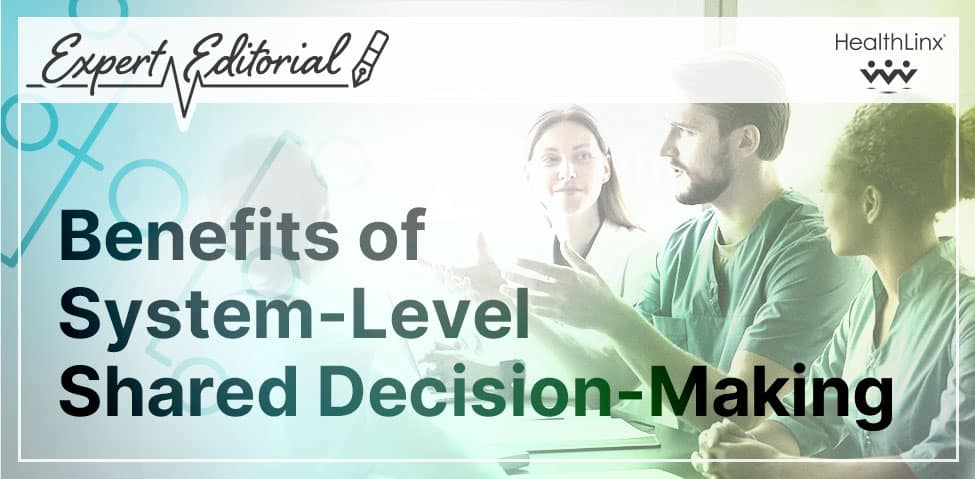
System SDM goes beyond unit‑based councils to embed nurses’ voices into organizational‑level strategy, policy, and operational decisions. When done well, it produces measurable benefits across engagement, retention, quality, and outcomes.
1. Improves Nurse Engagement and Commitment
- Nurses experience psychological ownership when they influence decisions that affect practice
- Increases trust in leadership and alignment with organizational goals
- Shifts engagement from compliance to active participation
.
2. Strengthens Retention and Reduces Turnover
- SDM is strongly associated with:
- Higher job satisfaction
- Reduced intent to leave
- Lower emotional exhaustion
- Nurses are more likely to stay where they feel heard, respected, and empowered
3. Enhances Quality, Safety, and Practice Outcomes
- Decisions informed by frontline expertise are:
- More practical and sustainable
- Better aligned with real‑world workflows
- Contributes to improvements in:
- Patient safety indicators
- Care quality
- Practice consistency and reliability
4. Builds Professional Autonomy and Accountability
- Nurses practice with authority aligned to responsibility
- Reinforces professional identity and accountability for outcomes
- Supports evidence‑based practice adoption and innovation
5. Reduces Dissatisfaction by Addressing “Hygiene” Factors (Hygiene factors as defined by Herzberg’s Motivation-Hygiene Theory that tells us hygiene factors such as pay, schedule, etc. are highly associated with dissatisfaction)
- System SDM improves perceptions of:
- Fairness
- Transparency
- Voice in staffing, workload, and practice decisions
- Mitigates key dissatisfiers that drive disengagement and burnout
6. Improves Interprofessional Collaboration
- Formal SDM structures promote:
- Mutual respect between disciplines
- Shared accountability for outcomes
- Better coordination of care
- Nurses are positioned as equal partners in system decisions
7. Supports Leadership Sustainability
- Creates structured channels for input rather than crisis‑driven escalation
- Improves decision quality and leader credibility
- Engages nurse leaders by allowing them to lead with staff, not for staff
8. Advances Magnet®, Pathway®, and Excellence Outcomes
- System SDM is foundational to:
- Structural Empowerment
- Transformational Leadership
- Practice Excellence
- Demonstrates cultural maturity beyond “checkbox” councils
System‑level SDM does not just make nurses feel better—it produces better decisions, stronger outcomes, and a more sustainable nursing workforce. When standardized and optimized at the system-level and then deeply embedded into individual facilities, SDM becomes a retention and performance strategy, not just a structure.
Ready to Transform Your Shared Decision-Making Model?
HealthLinx specializes in helping hospital systems design and implement Shared Decision-Making frameworks that elevate engagement, improve outcomes, and create sustainable structures for success.
Let’s work together to build a unified SDM model that empowers your teams and strengthens your entire system.
👉 https://healthlinx.com/our-team/client-solutions/ to start your SDM transformation.